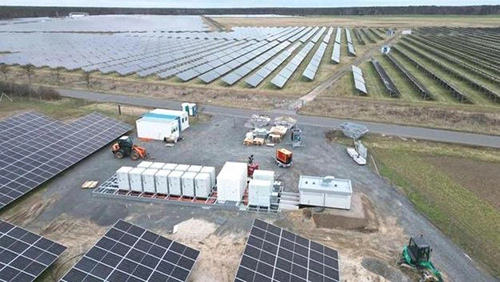
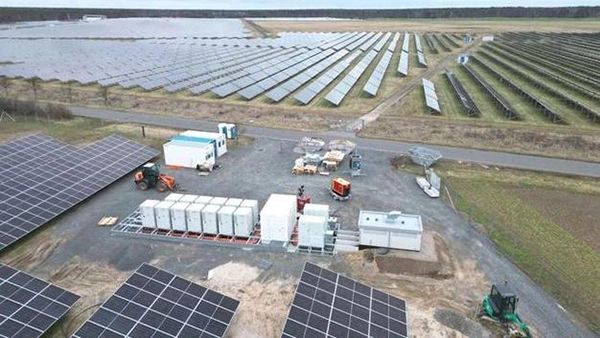
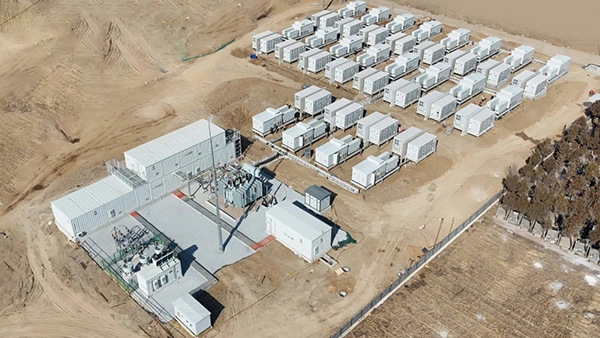
125kW 261kWh AIO Battery Energy Storage System (ESS Energy Storage)
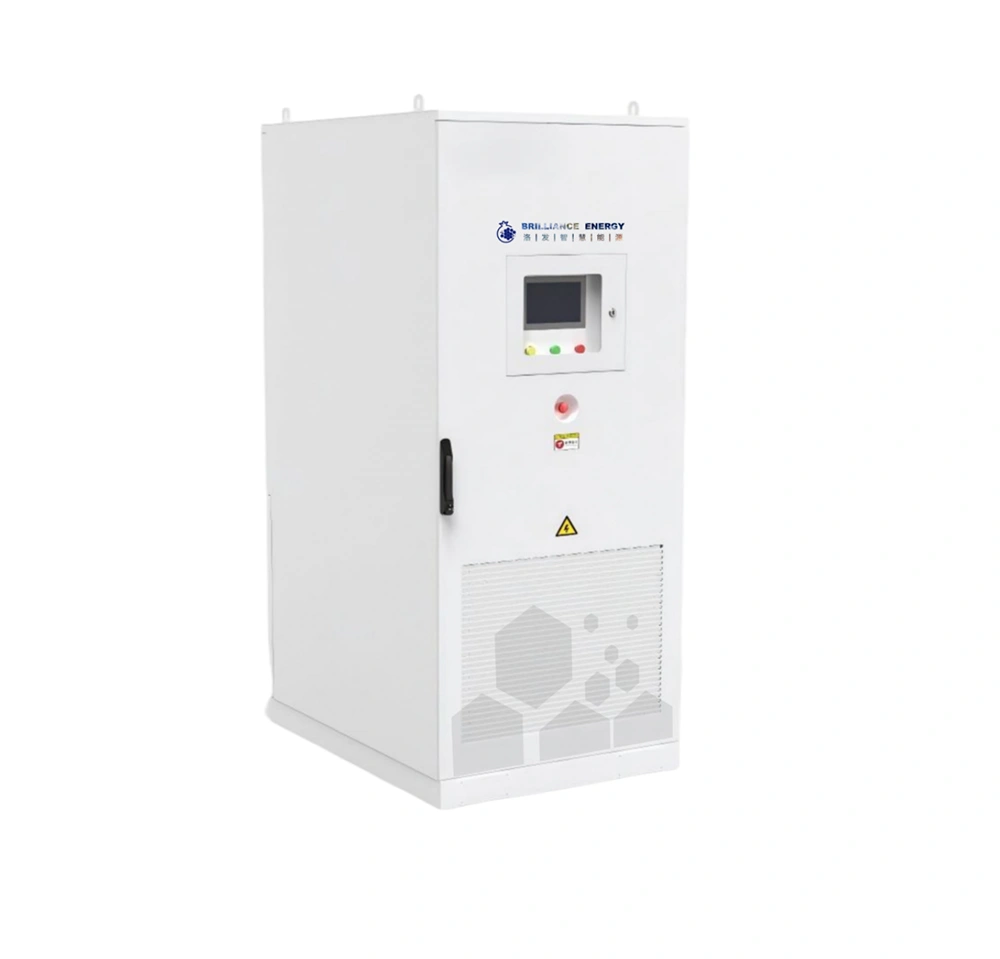
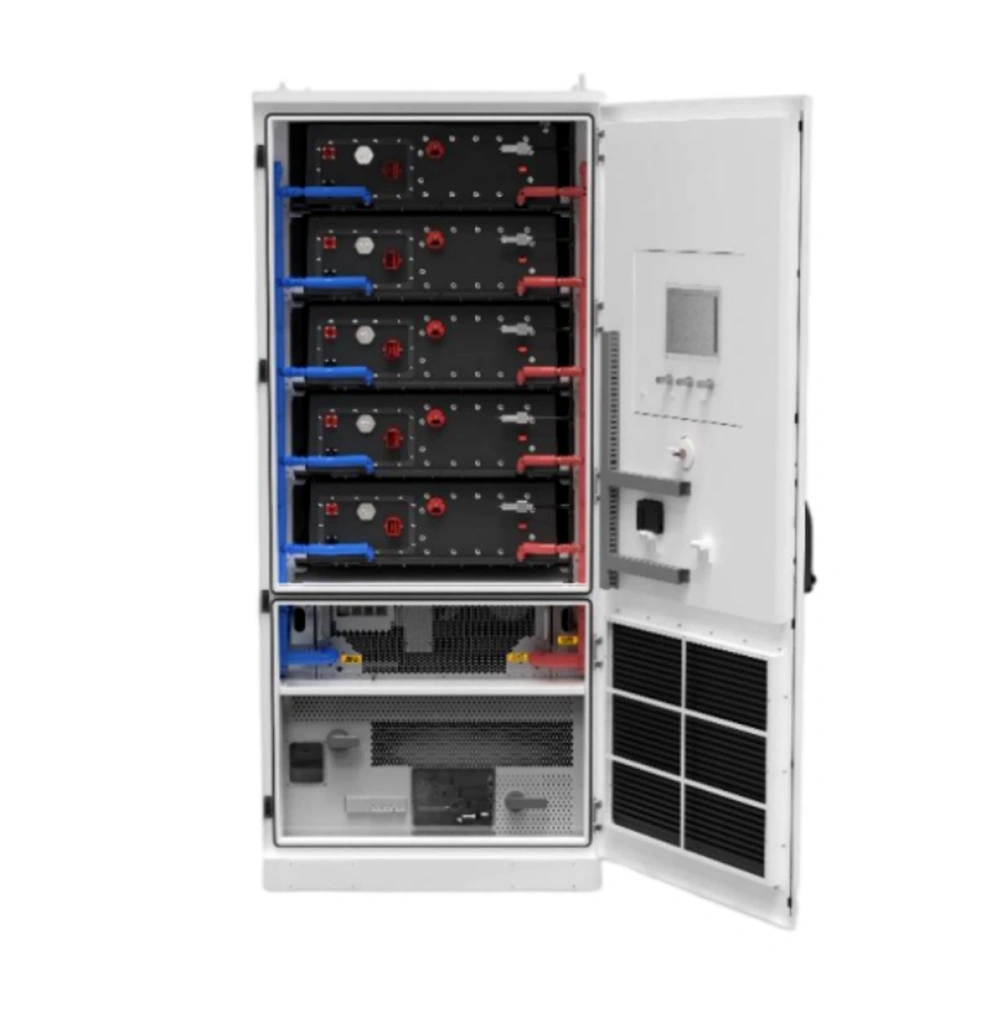
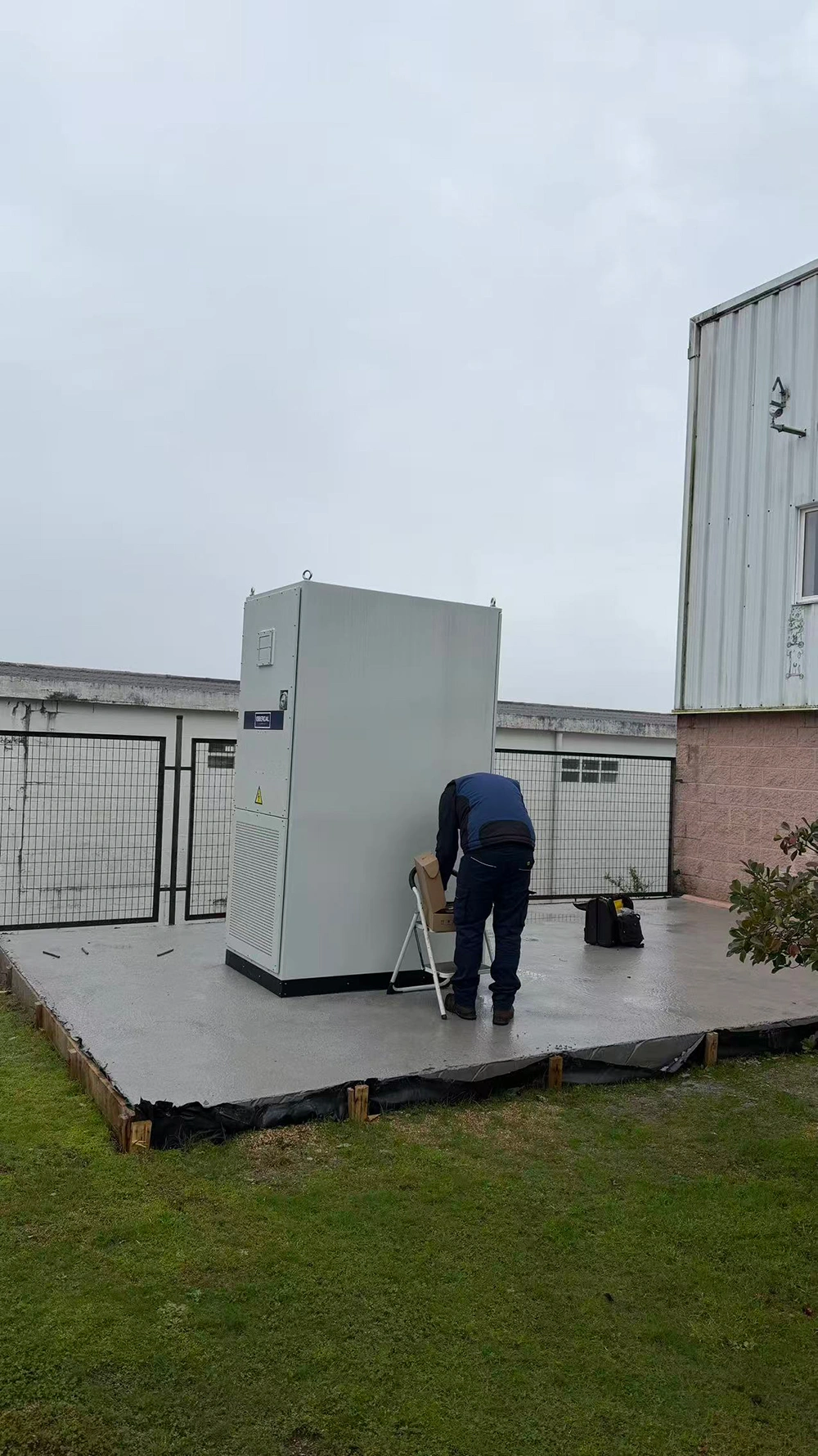
125kW/261kWh liquid-cooled energy storage cabinets are designed for commercial and industrial applications such as industrial parks, solar-storage-charging stations, telecom base stations, and microgrid systems. These AIO ESS cabinets integrate lithium iron phosphate (LiFePO4) battery technology with PCS, liquid cooling, fire protection, and intelligent energy management within a single energy storage system. Their power output reaches 125kW through the power conversion system (PCS), while the energy capacity is 261kWh per cabinet. The operating voltage reaches up to 1500V DC, which supports stable performance during high-efficiency energy transfer. EMS manages energy flow to coordinate charging and discharging across different operating conditions, ensuring stable and efficient energy use.
-
Efficient Liquid Cooling
Liquid cooling technology maintains tight thermal balance, keeping battery cell temperature difference within 3°C and improving stability under high-power operation.
-
Wide Voltage Range and High-Power Output
These ESS cabinets deliver 125kW rated output with 137.5kW peak power, that’s supports a battery voltage range of 670–949V and AC output of 340–400V for different grid and load conditions.
-
Smart Communication and Remote Control
Multiple communication options including WLAN, APP, WiFi, 4G, LAN, and Bluetooth enable remote monitoring, control, and fault alerts through a cloud platform.
-
Certified Safety and Grid Compliance
Compliance with GB/T 34120, GB/T 36775, and IEC 61000 standards ensures safe grid connection and stable electromagnetic performance.
| Model | XC-CWC / 261 / AC |
| Battery Type | Lithium Iron Phosphate (LFP) |
| Configuration | 1P260S (5 packs in series, 52S per pack) |
| No. of Battery Racks | 1 |
| Energy Capacity | 261 kWh |
| Nominal DC Voltage | 832 V (260S×3.2 V) |
| DC Voltage Range | 670–949 V |
| Max. Charge/Discharge Current | 188 A |
| Max. Charge/Discharge Power | 137.5 kW |
| Rated Output Power | 125 kW |
| Max. Output Power | 137.5 kW |
| AC Output Voltage Range | 340–400 V (3L/N/PE) |
| Grid Frequency | 50 Hz |
| Max. AC Output Current | 210 A |
| Power Factor | 0.8 leading to 0.8 lagging (Adjustable) |
| Total Harmonic Distortion (THDi) | < 3% |
| Max. Efficiency | 98.6% |
| Round-Trip Efficiency (RTE) | 88.0% |
| Operating Temperature | -25 °C to 55 °C |
| Operating Humidity | 5–95% (Non-condensing) |
| Max. Operating Altitude | ≤ 4,000 m (Derating above 2,000 m) |
| Thermal Management | Liquid Cooling |
| HMI (Human-Machine Interface) | LED display, WLAN, App monitoring |
| Communication Interfaces | Wi-Fi / 4G / LAN / Bluetooth |
| Communication Protocols | Modbus RTU, Modbus TCP |
| Weight | 2584.50 kg |
| Dimensions (W×D×H) | 1050 × 1400 × 2250 mm |
| Battery Enclosure IP Rating | IP55 |
| Fire Suppression System | Pack-level Aerosol Fire Suppression |
| Grid Certifications and Codes | GB/T 34120 |
| Safety Certifications and Codes | GB/T 36276, GB/T 34131, GB/T 34133 |
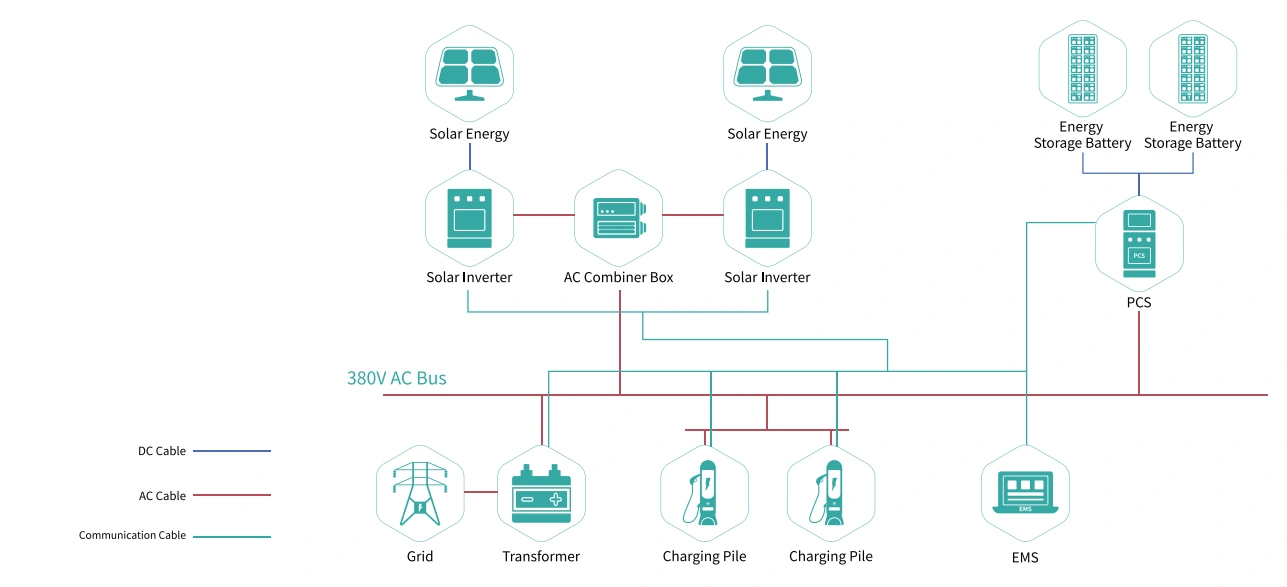
- Battery Storage System:
Five liquid-cooled battery packs are connected in series to form a 1P260S configuration, with a nominal voltage of 832V. This arrangement supports stable energy storage and balanced operation during continuous charge and discharge cycles.
- Power Conversion System (PCS):
A 125kW bi-directional power conversion unit manages energy exchange between AC and DC, which allows smooth operation under both grid-connected and standalone conditions.
- Temperature Control System:
Liquid cooling circulation combined with temperature control maintains BESS operation within a stable range, reduces thermal stress, and ensures consistent performance across different environments.
- Safety Monitoring and Remote Control:
BMS and EMS manage battery monitoring, energy coordination, and operating control while multi-protocol communication and cloud access enable remote supervision and system-level management.
- C&I Peak Shaving
Reduces electricity costs in factories, commercial buildings, and business parks through peak and off-peak energy shifting
- Solar-Storage Integration
Used to improve photovoltaic self-consumption and stabilizes output in DC-coupled solar storage projects
- EV charging support
Suitable to provide power buffering for fast charging stations, reducing grid impact during peak demand periods
- Microgrid and backup power
Used to support islanded operation and backup supply for telecom sites, data centers, and remote installations